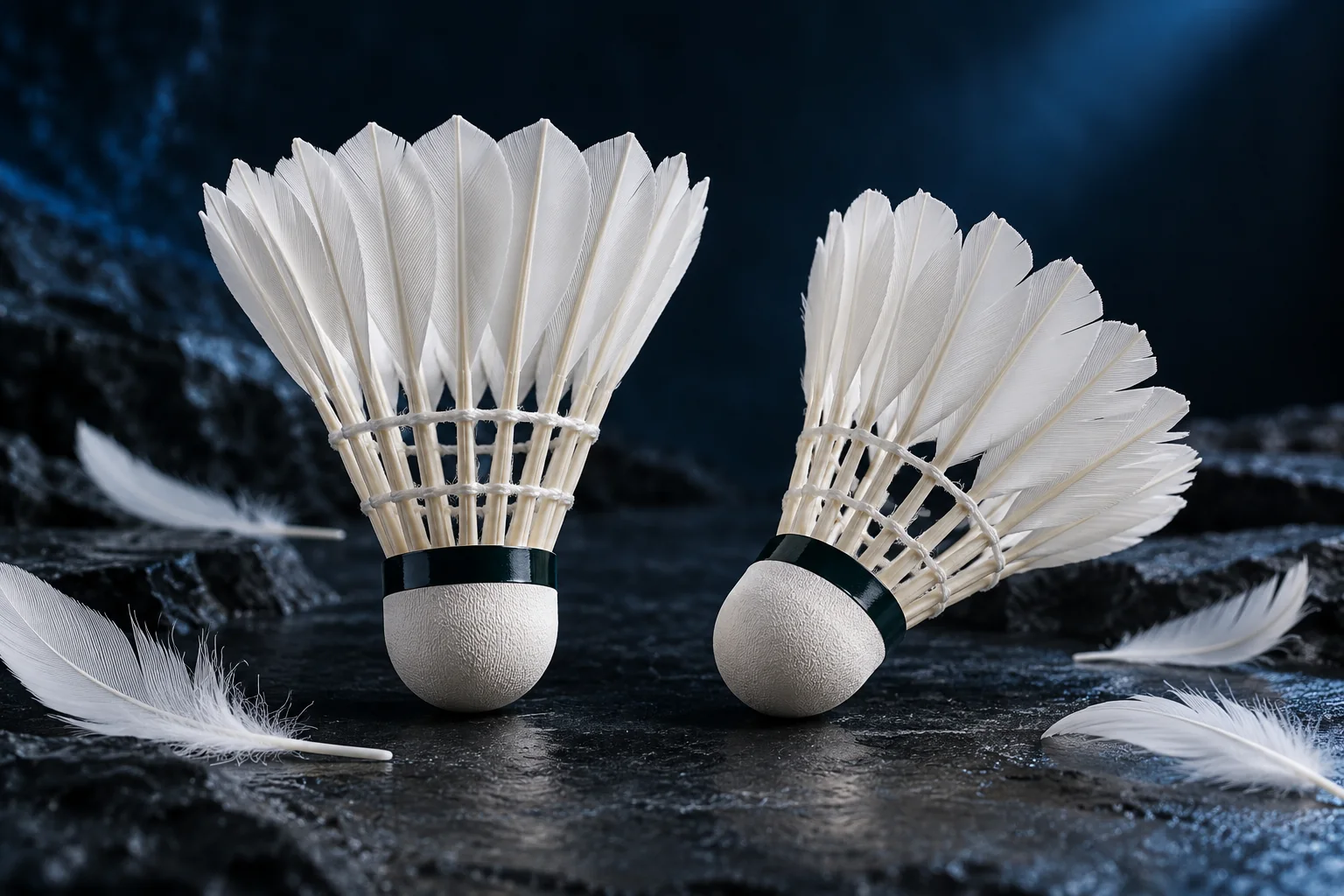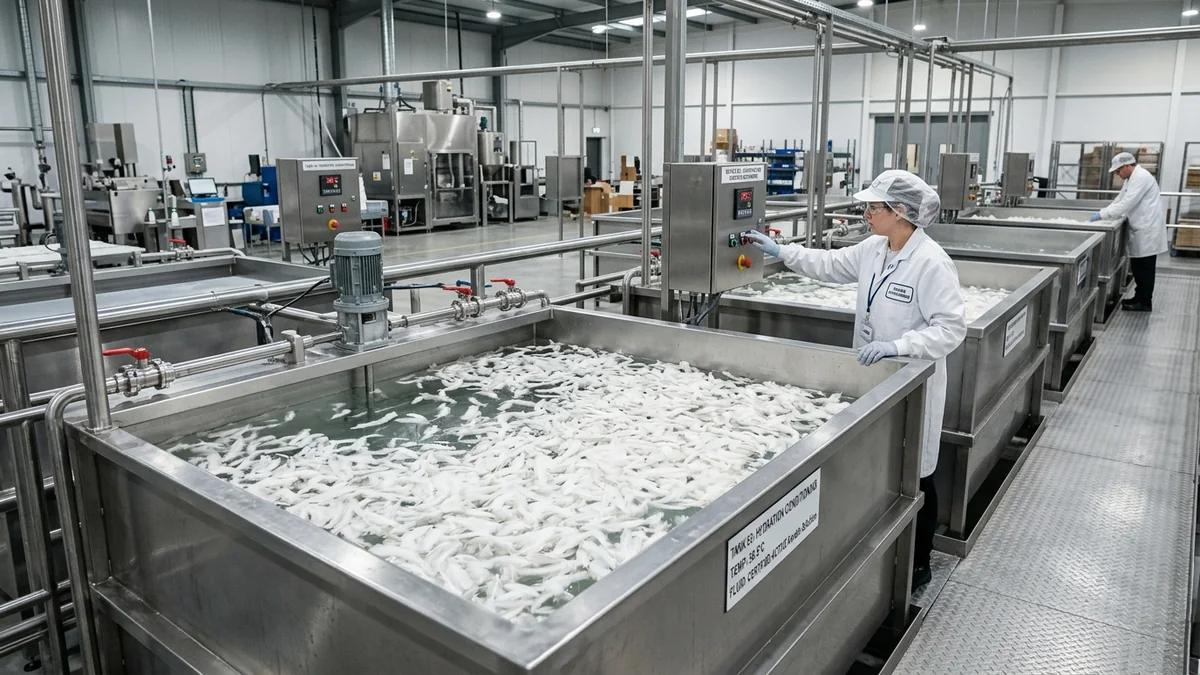
Raw waterfowl feathers become brittle if dried aggressively with industrial heat. Proprietary 'Reverse-Washing' (Conditioning) uses bio-enzymes to purge impurities while re-infusing natural animal lipids and moisture into the spongy medullary cavity, boosting smash resilience by 30% to 50%.
1. The Raw Feather Paradox: Harsh Degreasing vs. Keratin Brittleness
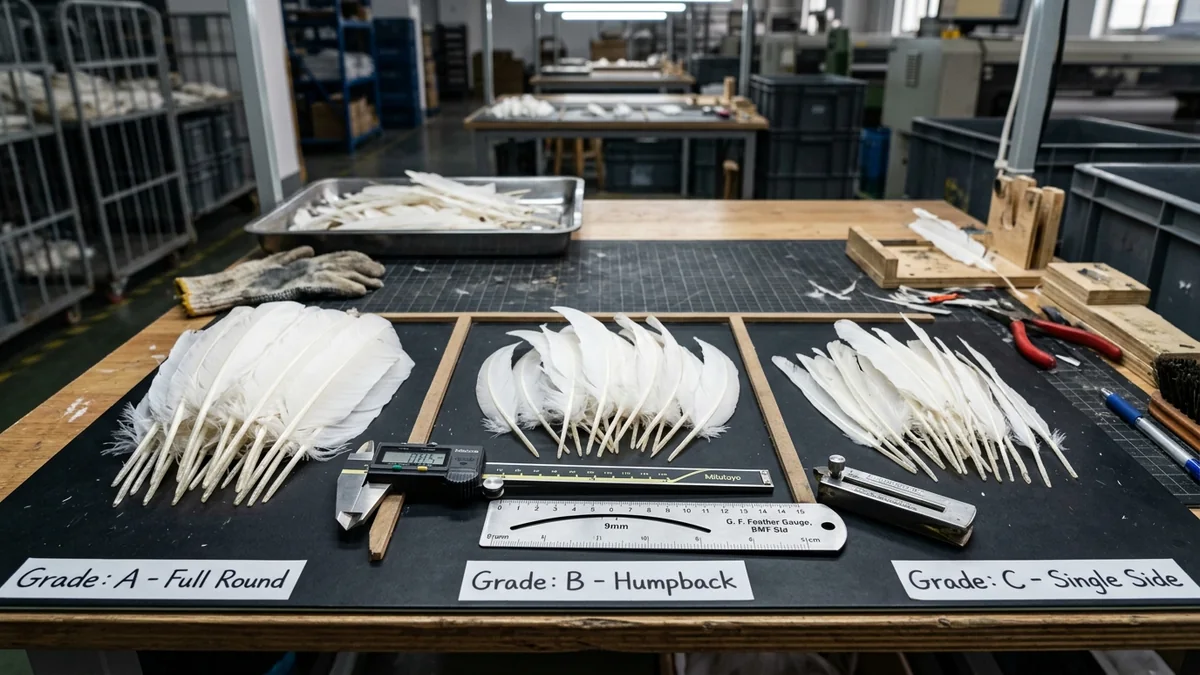
Raw feathers contain dirt, waterfowl secretions, and bacterial contaminants. Traditional harsh alkaline detergent washing and rapid 80°C+ hot-air baking strip the natural protective lipid cuticle, dehydrating the medullary sponge and leaving keratin fibers brittle.
2. Three-Stage Bio-Enzymatic Reverse Conditioning Protocol
Our factory utilizes a three-stage conditioning procedure: 1) Mild 38°C bio-enzymatic bath removing external grime without stripping inner cuticle oils; 2) Vacuum-assisted collagen and animal lipid infusion rehydrating the medullary cavity; 3) 48-hour slow conditioning drying at 45°C and 60% relative humidity.
3. 90-Degree Flex-Recovery Testing & Real-Court Durability
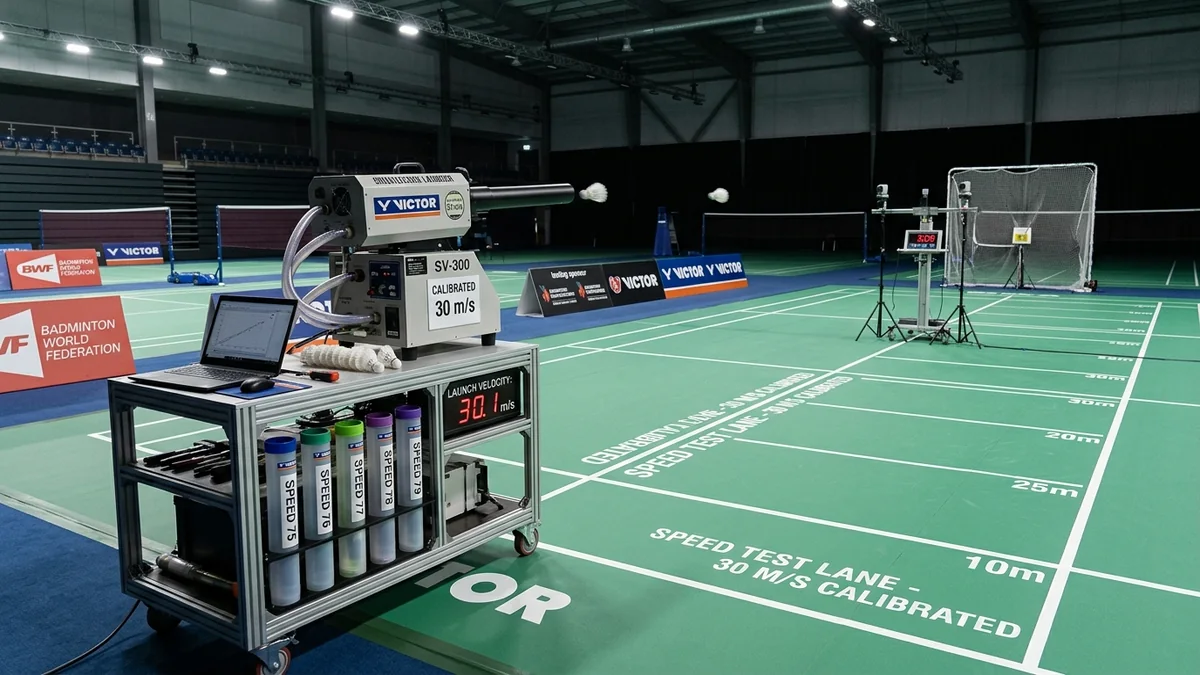
Reverse-conditioned feathers undergo a 90-degree bend test, rebounding instantly without stress whitening. On high-speed 30 m/s mechanical smash testing rigs, quill fracture rates drop below 0.5%.
Technical & Sourcing FAQs
Does reverse conditioning add excess weight to the shuttlecock?
No. The infused lipid and moisture content replaces lost cellular moisture at the molecular level. Total shuttlecock weight remains precisely calibrated within the BWF 4.74g to 5.50g tolerance.
What is the shelf life of reverse-conditioned shuttlecocks?
In sealed composite tubes with aluminum foil vapor barriers, conditioned shuttles retain optimal elasticity for 18 to 24 months, compared to 6 to 9 months for unconditioned shuttles.
How can buyers visually inspect if feathers were properly conditioned?
Conditioned feathers display a soft ivory luster with silky touch. When gently flexed outward 45 degrees, they spring back with supple rubbery resilience rather than a dry crackling sound.
Need Certified Factory Samples or Custom OEM Quotation?
ShuttlecockOEM manufactures international-standard feather shuttlecocks across 52 configurations. Request our evaluation sample kit with rapid air courier delivery.