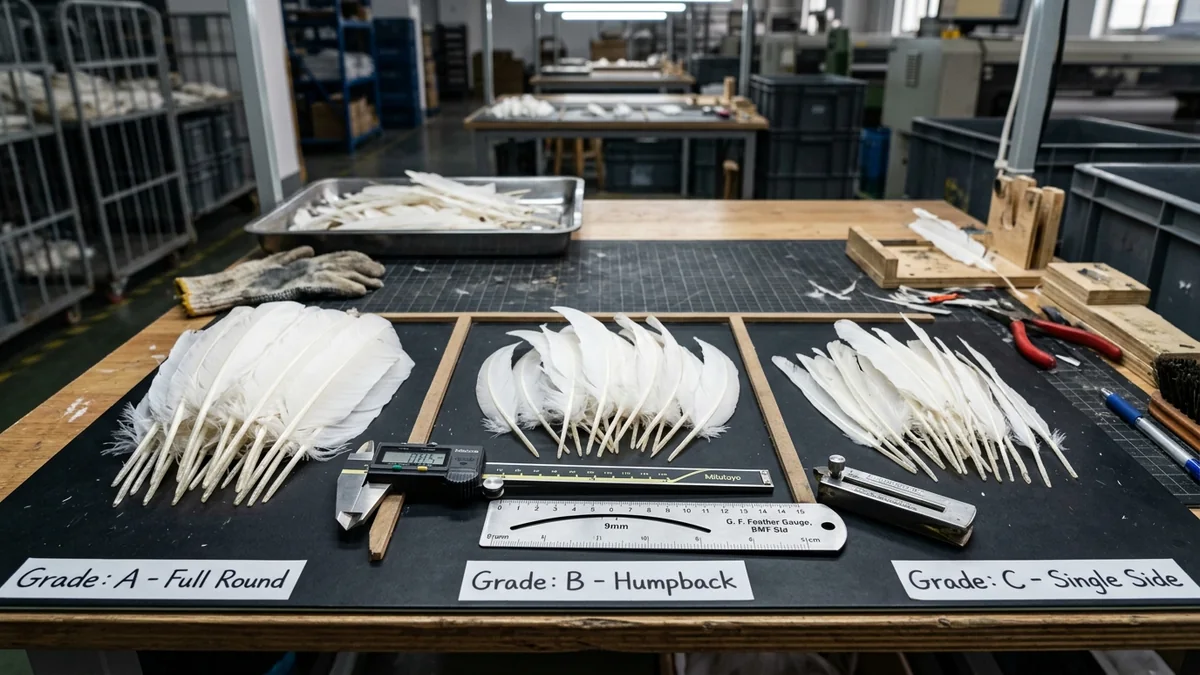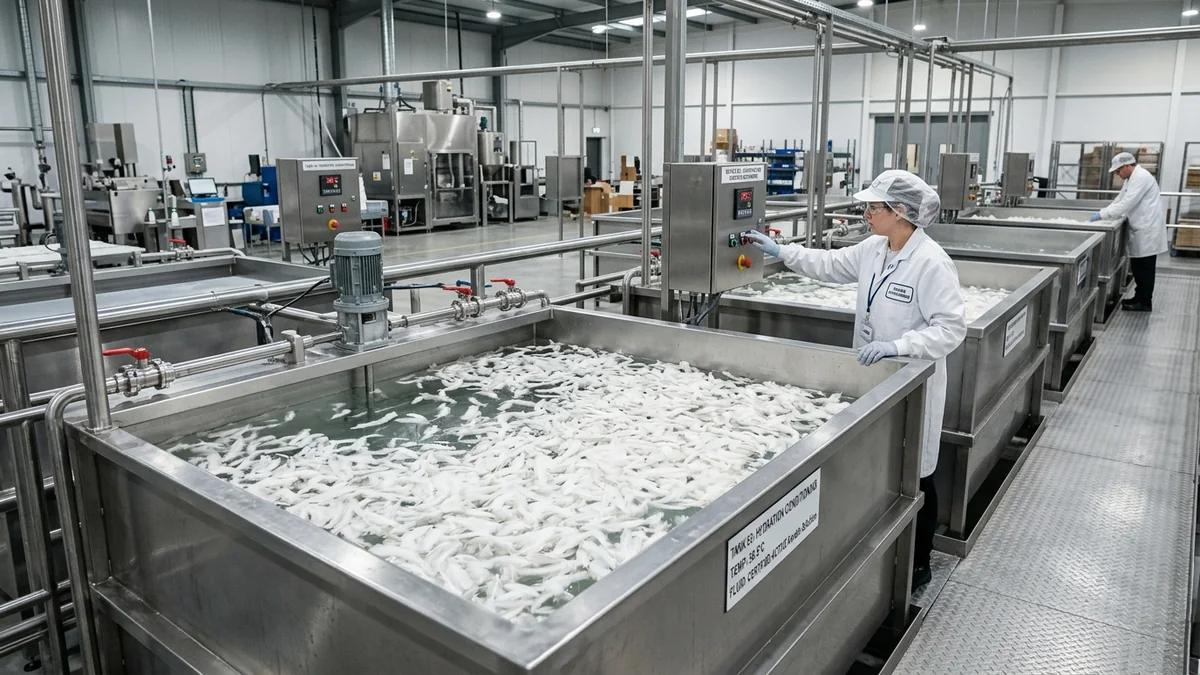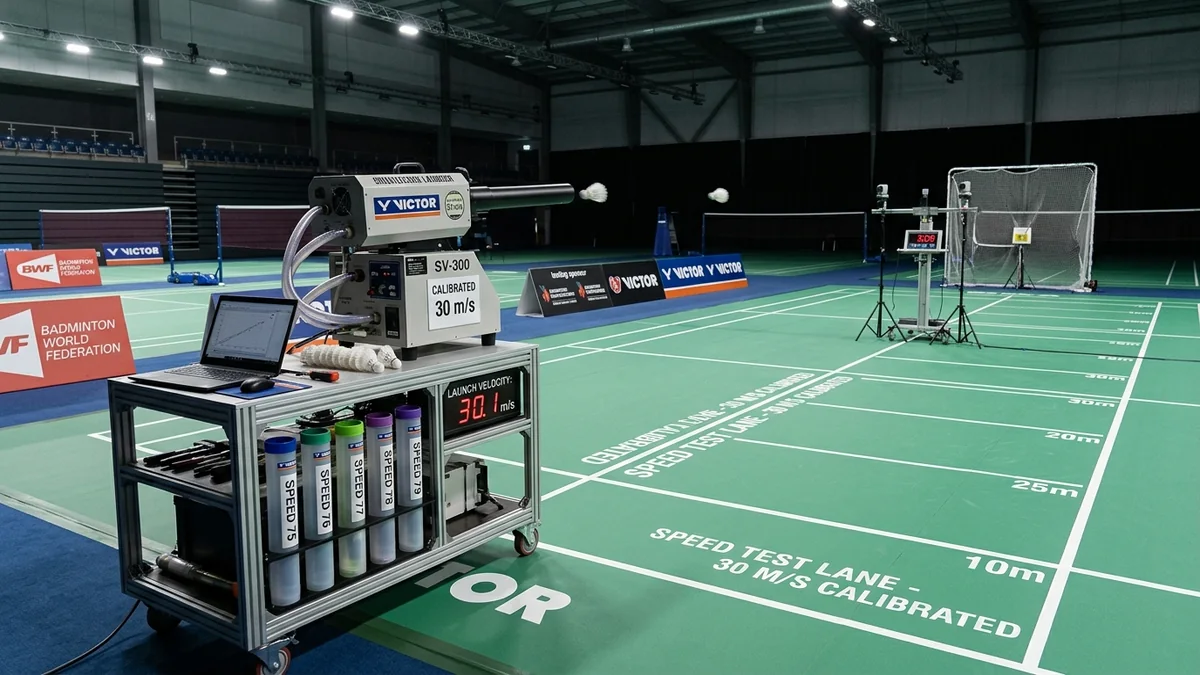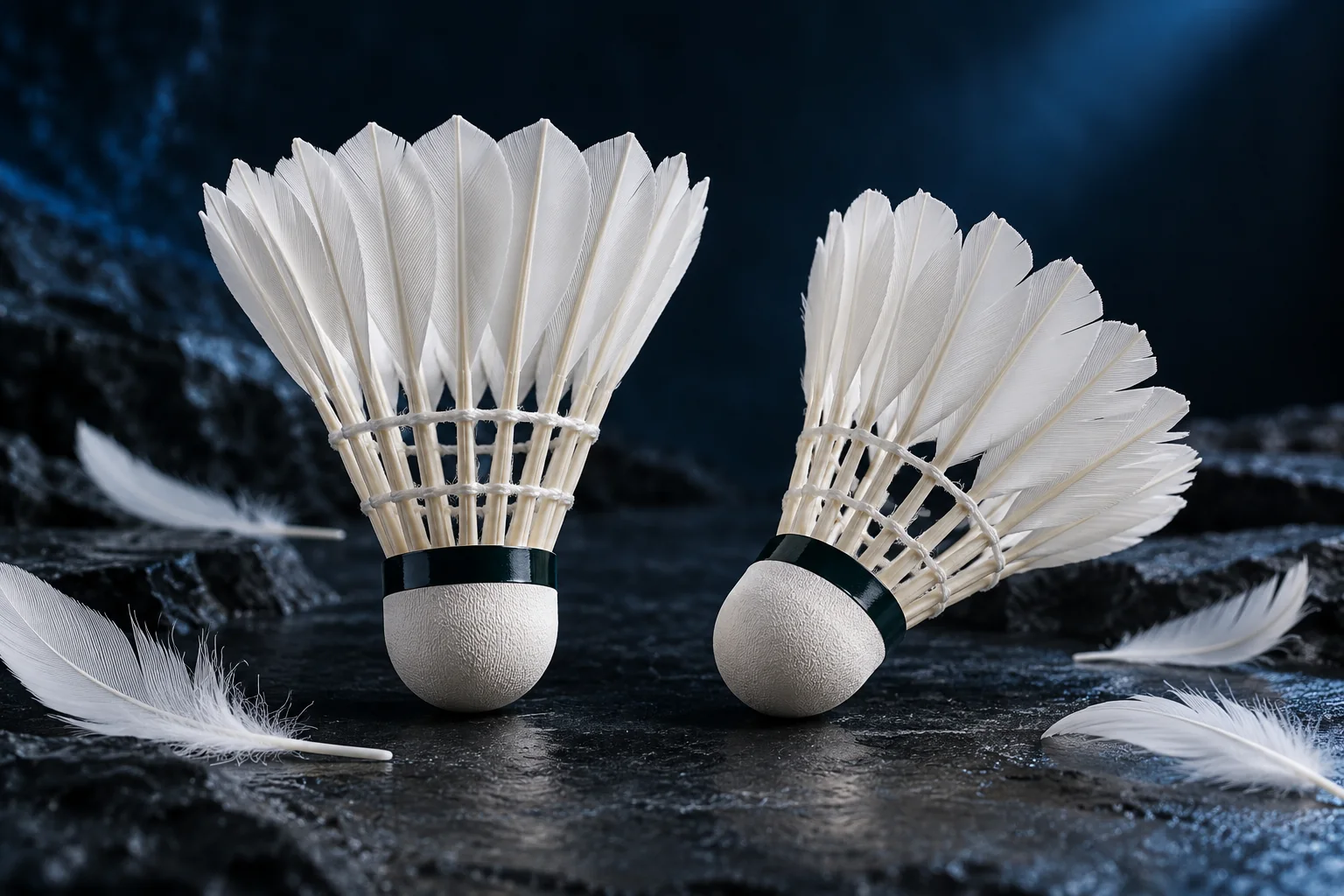
Goose feathers feature thicker, denser quill walls and higher natural keratin lipids, delivering superior smash resistance (2.5–4 matches/shuttle) and pinpoint BWF tournament trajectory. Duck feathers offer an economical alternative with slightly thinner quills (1.5–2 matches/shuttle) ideal for club training, high-volume coaching, and commercial sports academies.
1. Anatomical Feather Structure & Keratin Density
Waterfowl feathers are natural composite engineering wonders. In badminton shuttlecock manufacturing, only primary flight feathers (remiges) from mature birds meet international standards. Goose feathers originate from waterfowl raised in colder regions with longer growth cycles (90–120+ days), producing thick, rigid calamus quills with densely packed keratin protein fibers.
Conversely, duck feathers from commercial meat production typically have shorter growth cycles (45–60 days). Their quills possess a flatter elliptical cross-section with thinner outer cortical walls. Under repeated 350+ km/h smash impacts, duck quills experience greater transverse flex, increasing micro-fracture probability along the longitudinal groove.
2. Flight Trajectory & Rotational Aerodynamics
A BWF-standard feather shuttlecock must rotate at 400+ RPM in flight to maintain aerodynamic gyroscopic stability. Goose feathers provide a more uniform, convex vane curvature that generates consistent vortex shedding across all 16 feathers. As a result, goose shuttles decelerate predictably at the baseline with a steep terminal descent angle.
Duck feathers, having slightly narrower and less symmetrical vanes, may produce a flatter descent path and wider landing scatter dispersion when subjected to high humidity or air turbulences. For professional tournaments where centimeter-level court accuracy determines match outcomes, goose feather shuttles remain irreplaceable.
3. Commercial Sourcing & Pricing Matrix
| Specification Tier | Feather Cut & Grade | Cork Base | Durability (Games/Shuttle) | Recommended Target Market |
|---|---|---|---|---|
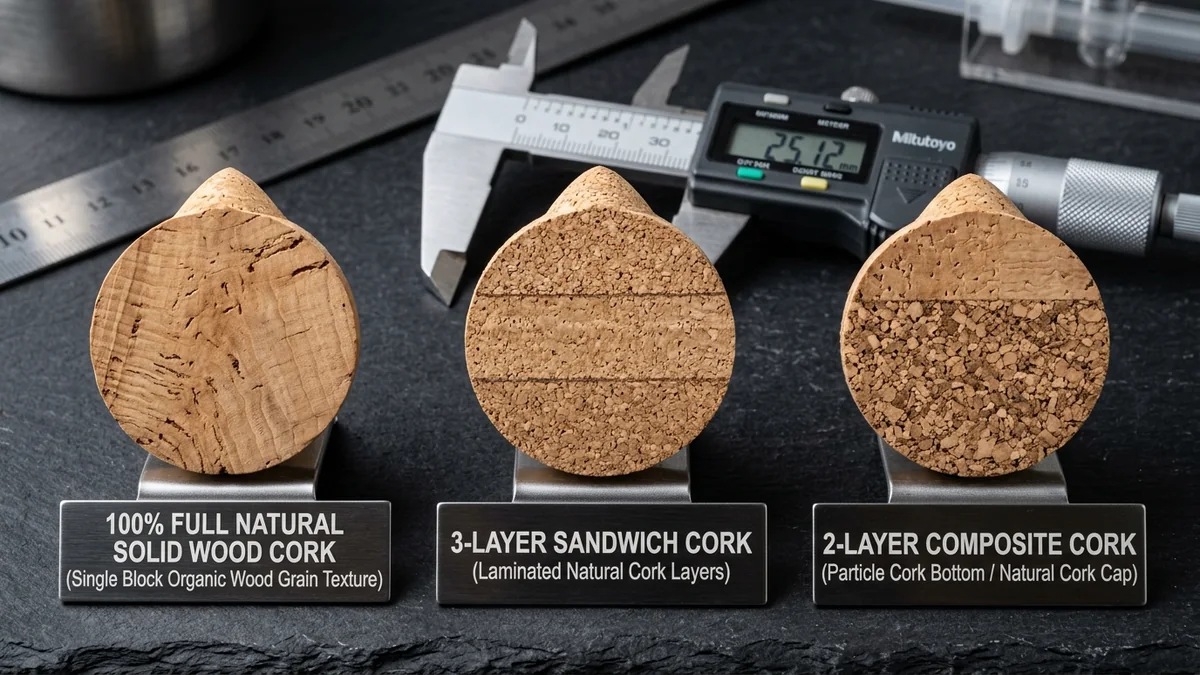
| Tournament Grade | Grade 1 Goose Full-Round (Blade) | 100% Full Natural Solid Wood Cork | 3.0 – 4.5 Games | BWF Sanctioned Events, National Team Trials |
| Club Premier | Grade 2-3 Goose Medium-Square | 3-Layer Sandwich Cork | 2.0 – 3.0 Games | Competitive Clubs, Regional League Matches |
| Academy Training | Grade 1-2 Duck Large-Square / Humpback | 2-Layer Composite Cork | 1.5 – 2.2 Games | High-Frequency Youth Training, University Clubs |
Technical & Sourcing FAQs
What is the real durability lifespan difference between goose and duck feather shuttlecocks?
In rigorous men's doubles competitive testing at 300+ km/h smash speeds, Grade 1 full-round goose shuttlecocks endure 2.5 to 4 full games before flight wobble or quill fracture occurs. Grade 1 duck feather shuttlecocks endure 1.5 to 2 games. Goose offers approximately 40% to 60% higher durability.
How does low-humidity winter climate affect goose vs duck feathers?
Duck feathers suffer greater quill brittleness under relative humidity below 45% due to lower natural lipid content. Goose feathers retain flexibility longer, though both benefit dramatically from ultrasonic micro-mist humidification before play.
What is the recommended container procurement mix for first-time brand importers?
For established sporting goods distributors, we recommend a mix of 30% Tournament Goose (flagship brand image) and 70% Club-Grade Duck (volume club revenue driver) in full 20GP or 40HQ container loads.
Need Certified Factory Samples or Custom OEM Quotation?
ShuttlecockOEM manufactures international-standard feather shuttlecocks across 52 configurations. Request our evaluation sample kit with rapid air courier delivery.